



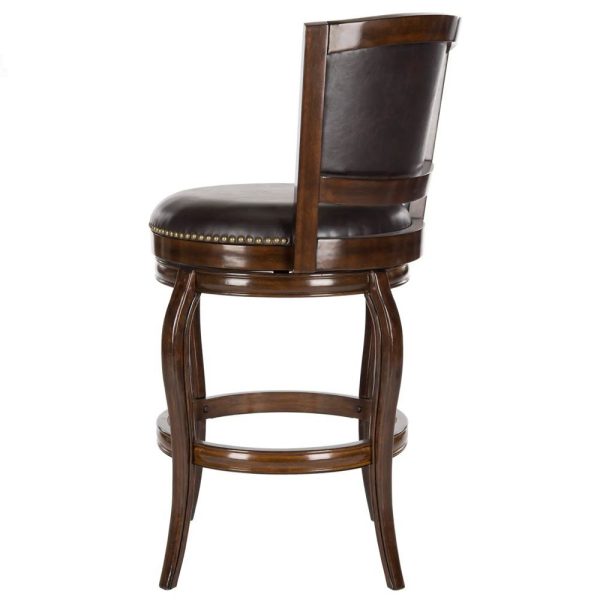
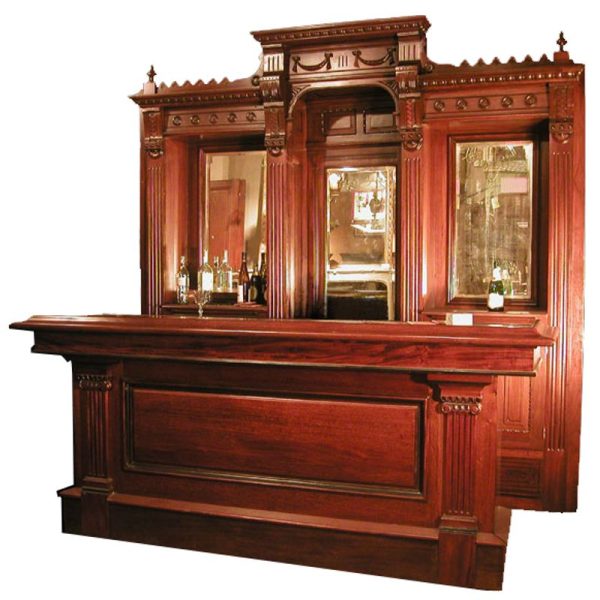
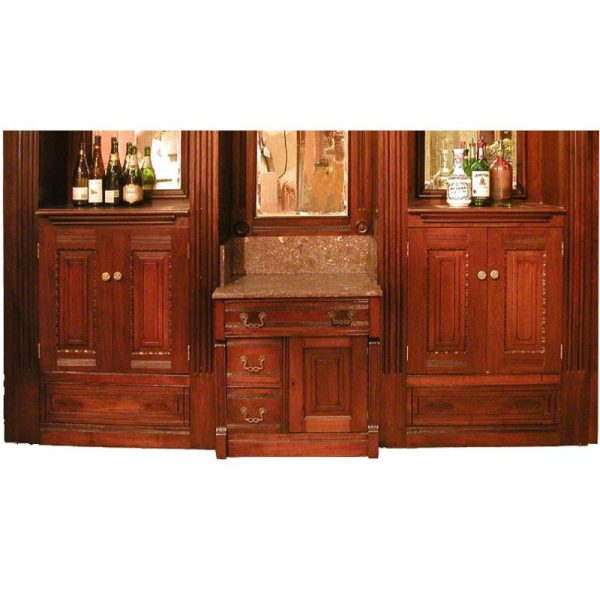
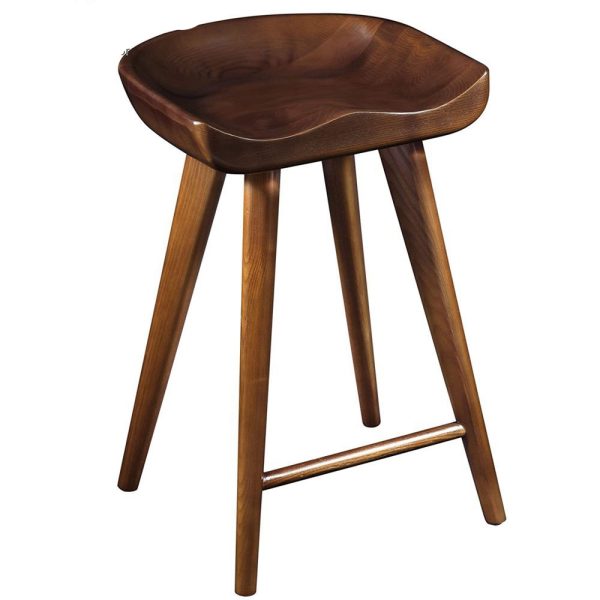
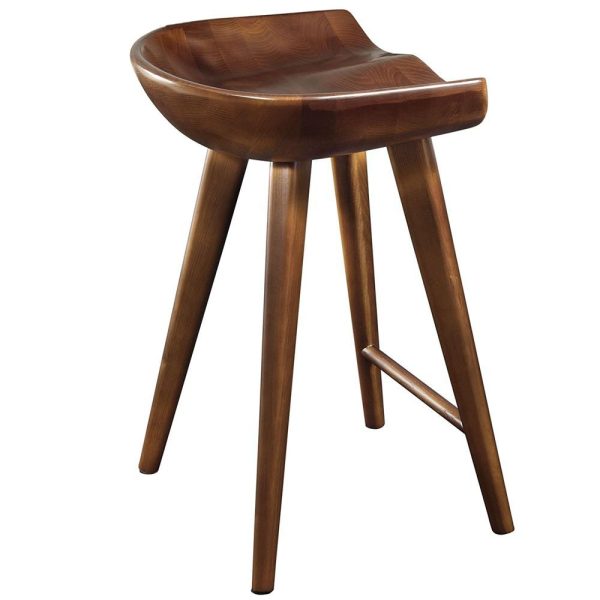
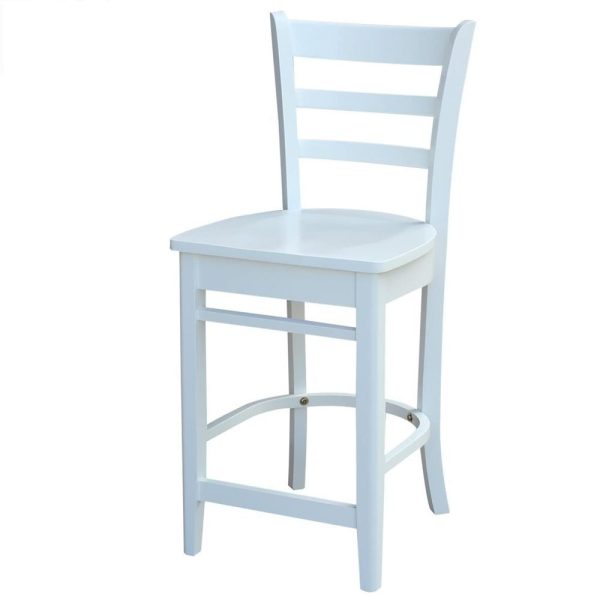

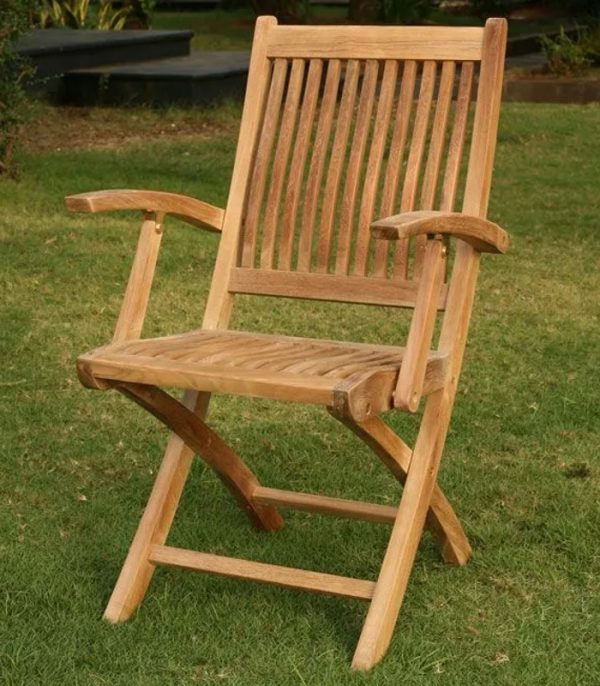















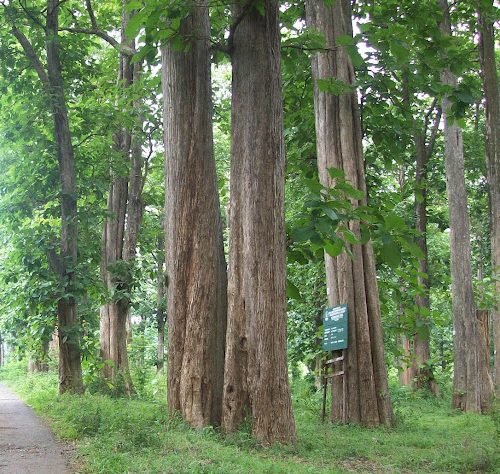
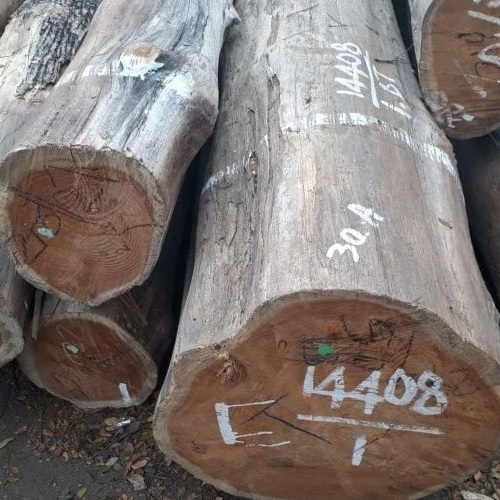
Teak is indigenous to just five countries in the world –Indonesia, Burma, Laos, Thailand and India. However, due to excessive, unsustainable logging over the past century, natural teak forests have practically disappeared in all of these countries except for Burma. Fortunately for the world, teak continues to flourish in plantations throughout South and Southeast Asia, Africa and Latin America. It is from the well-managed, Indonesian plantations of state owned Perum Perhutani, on the island of East Java, that we source our teak.
The Teak Tree, or Tectona, is one of the tropical hardwood birches, included in the family Verbenaceae. This tree is originally from the plantations of South East Asia, and can grow to a height of 30 – 40 m. As part of its life cycle, this tree sheds its leaves every year at dry season. Its longevity is very great, the Teak tree often living to an age of 100 years. Teak is especially noted for its capacity to withstand changes in the weather and season. One of the reasons for this is the ability of the Teak to bend, but not break, in the
face of high winds.
Also, the Teak tree resin typically has an oil in its Galih (Cambium/heartwood) that is highly water resistant. This content alone can protect the Teak from decay, insects, and bacteria. At the same time, the combination of unique Teak tree content and thick fibers make it easier to cut and then later sculpt into pleasing forms. Because of this special characteristic, not found in other trees, there has always been interest in using Teak wood for various types of furniture. The teak trees found in South-East Asia forests reach a height of up to 150 feet, have reddish-green leaves with rough skin, and heartwood that is brown to dark gold in color. Of the main teak producers in the area, Indonesia, India, Myanmar, Philippine, and Malaysia, Indonesia’s teak is considered of the highest quality in the world.
Cultivation and conservation of the Teak tree in Indonesia is managed by the government of Indonesia, Perum Perhutani (Forestation Company of Government).
The largest producer of teak in Indonesia is Java. Its geography and weather are highly suitable to Teak tree plantations; Java Island is also a manufacturing centre where many furniture workers are employed to process the wood of the Teak tree into unique and beautiful furniture. To get teak wood of the highest quality, there are some things that must be carefully attended to in the retrieval process. The older Teak trees, of up to 40 years in age, are the best ones to be cut. In fact, the older the Teak tree, the better will be the quality of its wood. Before cutting the Teak tree, the water content must be drained from the tree by making a cut at its under side. This draining process takes time, 1 to 2 years, in order to get the Teak tree dry enough that it can be cut into Teak wood, and so ready for its main use as the material for furniture and other products.
In India, Teak wood, because of its durability, is used – in addition to its use in furniture and other products – in the production of door and window frames.
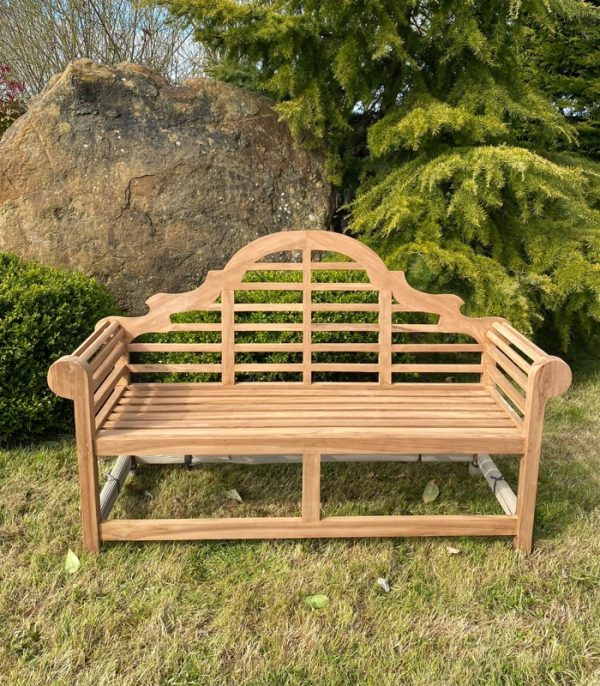
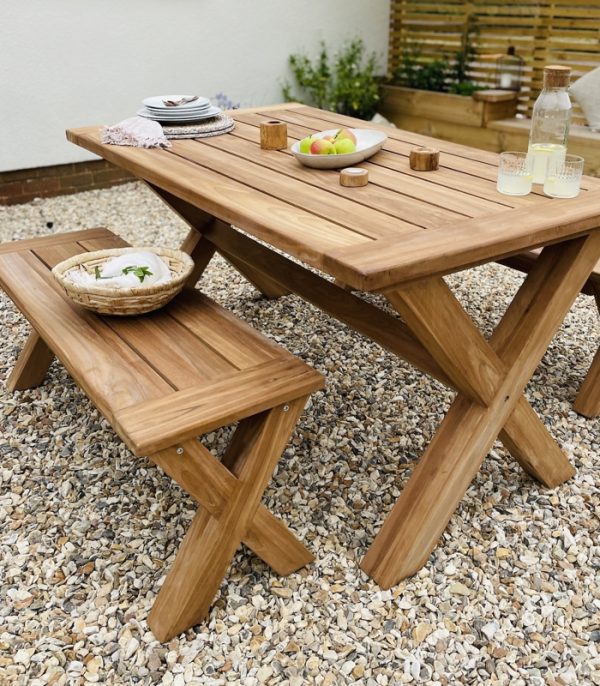
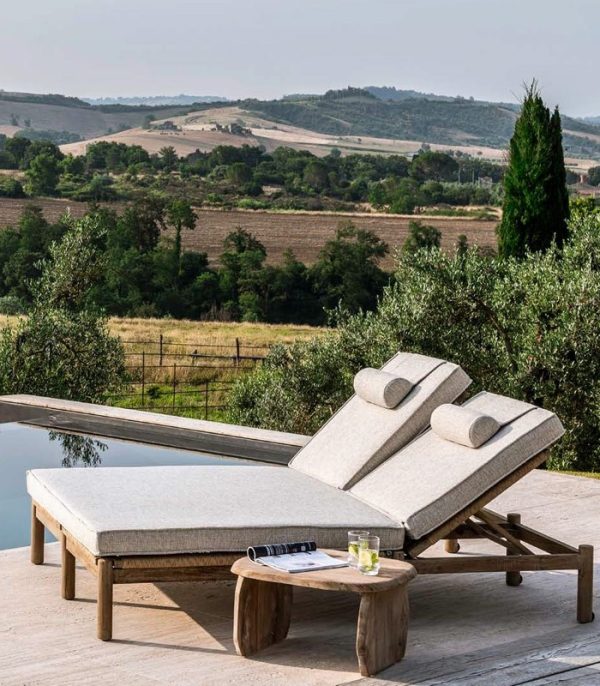
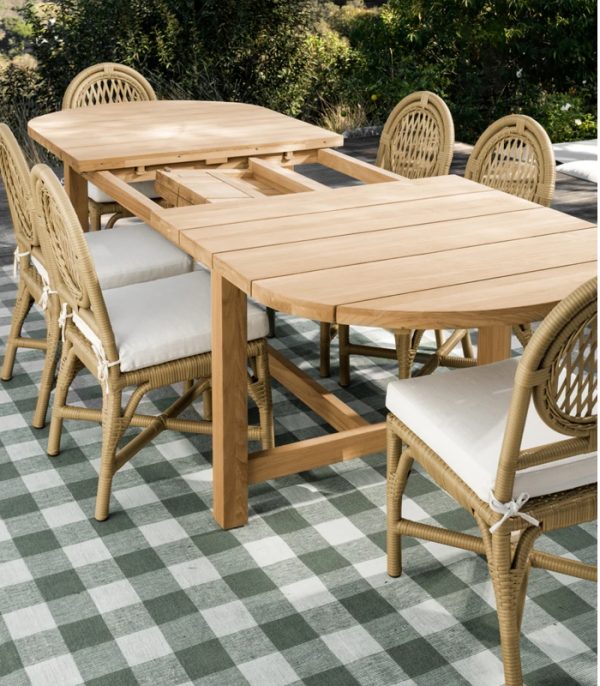
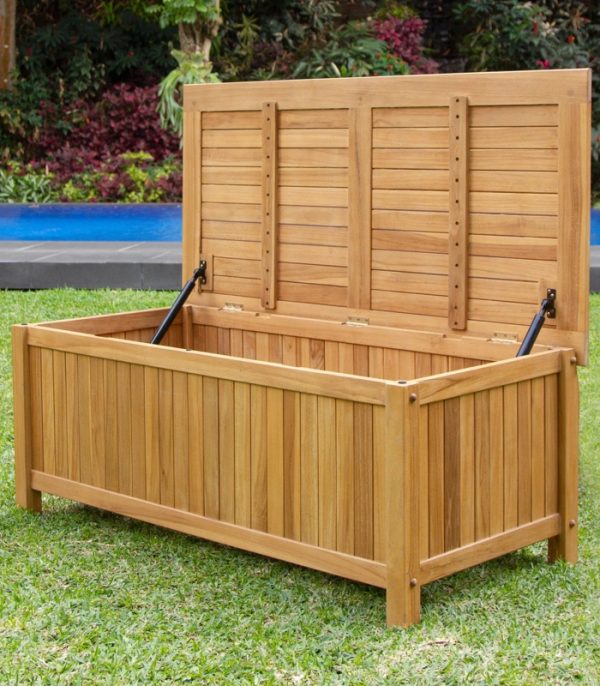
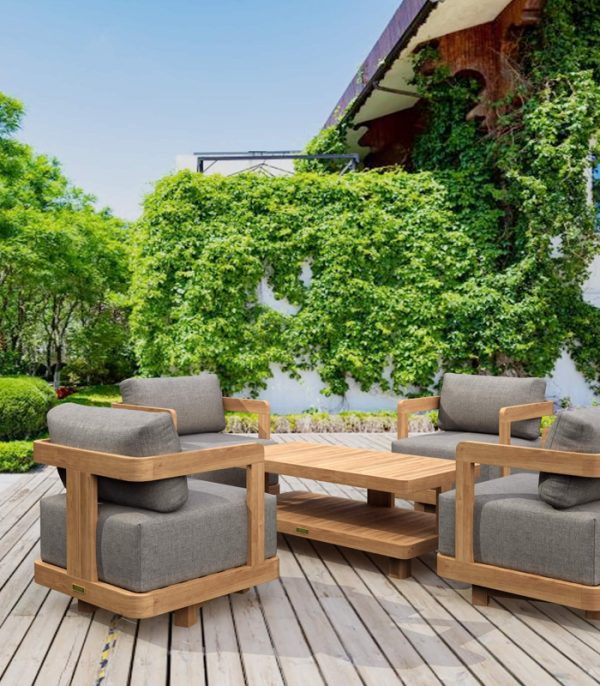
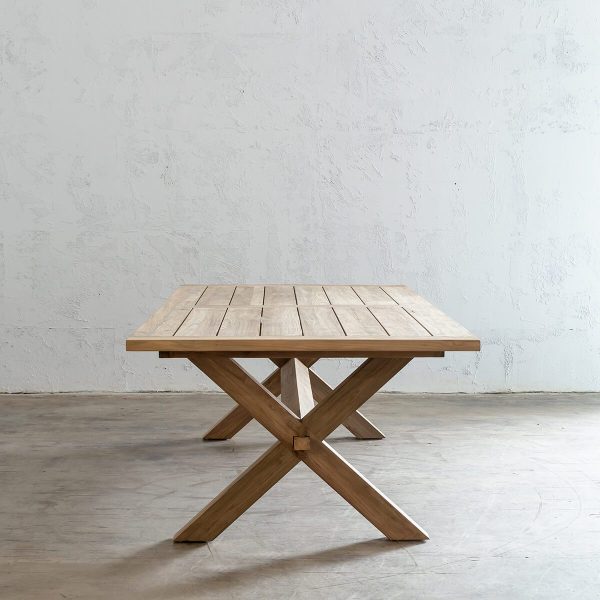
The most salient characteristic of Teak is its resistance to all kinds of weather. Because of this, it is also resistant to decay and easily repels insects. This is one of the reasons that, unlike other woods, it is often used as the main material for both indoor and outdoor furniture. Teak wood holds its form over many years, even if left outside, and because of this it has often been used for the decking of ships – with its special aroma, cruise ships in particular.
Other characteristics of teak are its elasticity and solid fiber, both of which facilitate woodworking and the ability of woodworkers to create products, such as our own at PT Art Classic, that are both beautiful and durable.
Another reason for the beauty of teak wood products is the special oil content in its heartwood, which makes this wood always seen to gleam – maintaining this glow even if it is left outside for a long period of time. Additionally, Teak wood with its antibacterial characteristics will not become brittle. The owner of teakwood furniture, therefore, will not even find it necessarily to add a preservative to keep it looking like new. Even so, it can occasionally benefit from some polishing, or the application of some varnish, to enhance its natural beauty.
What’s the ideal conditions for a teak plantation in Indonesia?
Teak trees are not indigenous to Indonesia but the climatic conditions on Java are ideal for growing teak. Teak grows best in sub-tropical conditions with temperatures ranging between 17 – 43 Celsius and with an annual rain fall of 1250 – 3750mm. In Java, teak can grow on a variety of soils, but for the best results, it needs moderately fertile soil with humus rich top soil – well aerated and free draining.
How would you characterize the teak wood in general?
Teak is widely known as the most valuable tropical hardwood and is mainly used for luxury furniture, ships and decorative building purposes. With its high natural oil content, it can withstand extreme weather conditions and is extremely stable once properly seasoned by kiln drying.
How can you identify the perfect Indonesian teak wood in terms of age, appearance & oil content?
Symmetrical in shape with limited surface defects such as knots and scaring. We look to choose logs that have a thin sapwood layer, which normally also goes hand in hand with a tree that has grown at a slower growth rate, meaning higher levels of density and oil content. We only choose logs with a minimum age of approximately 35 years and upwards to ensure the timber is of sufficient quality, whereas other companies use teak which is only 10 years old and has little density or oil content.
Any other stories to tell about teak wood on Java?
Teak plantations are really no different than any other crop, except that the growing cycle is much longer. It can take anything from 35 to 50 years for a teak tree to fully mature – Teak is a noble material and not something that can be rushed! The teak plantations in Java have been managed over countless generations by Perum Perhutani, and today their plantations comprise some 1.1 million hectares of teak, making them the largest teak plantations in the entire world. Perum Perhutani also works extensively with local communities during the rotational plantation cycle, where they allow the villagers to plant crops during the spell period between harvests.


